
Ribfest Peterborough: The Ultimate BBQ Experience
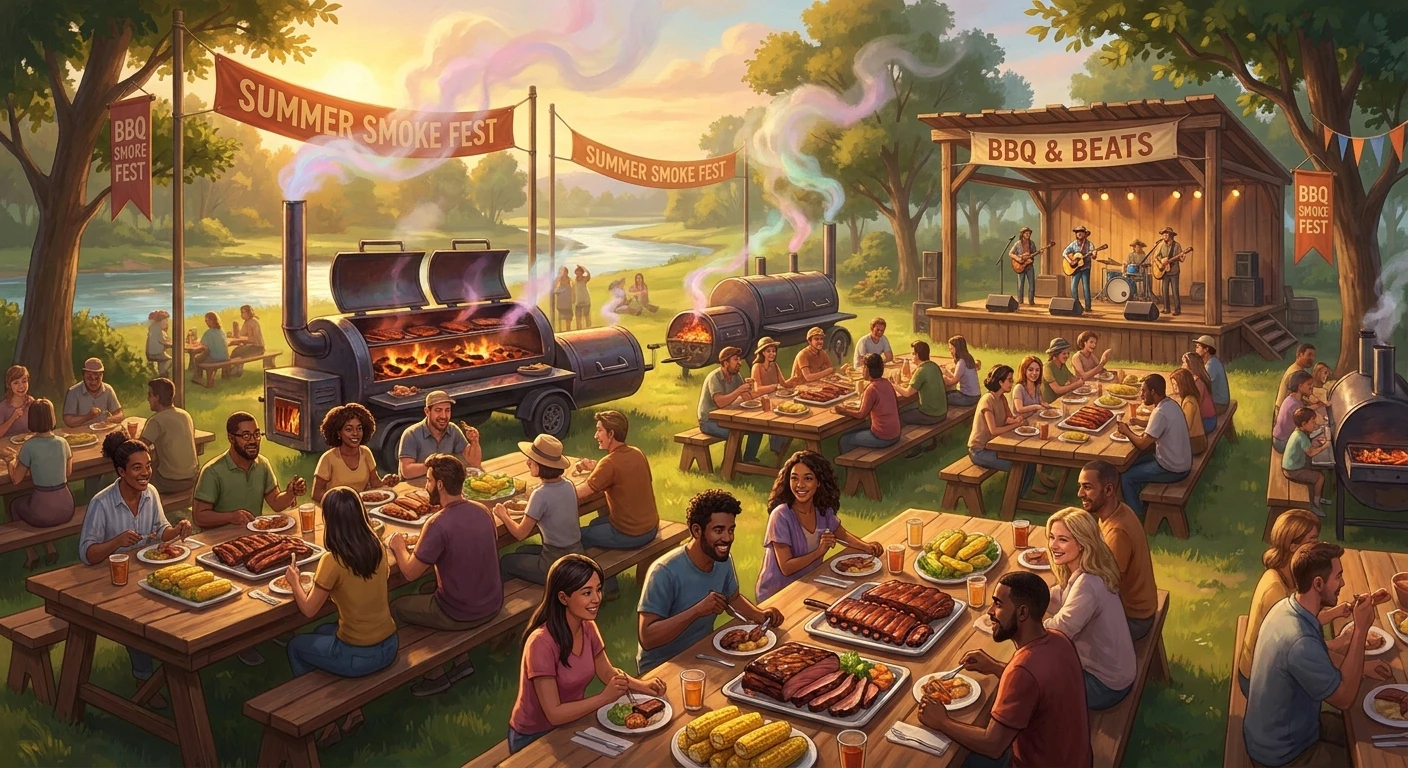
Listen up, if you want to taste pure summer joy, Ribfest Peterborough is exactly where you need to be. There is absolutely nothing like walking toward the park and getting hit by that incredible, heavy scent of hickory and cherry wood smoke from a mile away. It tells your brain that something amazing is cooking. Coming from Ukraine, my entire concept of outdoor cooking was built around weekend trips for shashlik—skewered marinated pork roasting quickly over open birch coals. It was fast, intense, and delicious. But the first time I showed up at this massive Canadian barbecue festival, my mind completely short-circuited. I saw these enormous, truck-sized custom smoker rigs slowly turning out thousands of pounds of ribs, brisket, and pulled pork, and I knew I had found a whole new level of culinary magic.
This event is way more than just a place to grab a quick bite. It is a full-blown cultural gathering, a masterclass in the patience of slow cooking, and the undisputed highlight of the summer season. The festival brings together elite pitmasters who travel across the country to compete for trophies, bragging rights, and your hard-earned dollars. You get live music echoing across the grass, kids running around with sticky fingers, and strangers sharing massive platters of meat on picnic tables. It is messy, it is loud, and it is absolutely brilliant. You have to experience it properly to truly grasp the scale of the operation.
Read also: Guide to national chicken wing day canada; Carnaval del Sol Vancouver: The Ultimate Guide.
When you step onto the festival grounds, you are immediately faced with a wall of choices. Each vendor has their massive trophies displayed up front, the line cooks are shouting, and the hype men are trying to lure you in with free samples of their signature sauces. The core benefit here is access. You are getting world-class, championship-caliber barbecue without having to travel across the entire continent to find it. This setup offers immense value because you can essentially take a tasting tour of North America’s best regional styles all in one single afternoon.
For example, you might start your day grabbing a half-rack of intensely peppery, dry-rubbed ribs that perfectly mimic the classic Memphis style, giving you a savory crust that crunches before melting in your mouth. Then, just two tents down, you can completely switch gears and order pulled pork drenched in a sharp, mustard-based Carolina tangy sauce that cuts right through the richness of the fat. This variety is what makes the festival unbeatable. To help you navigate the chaos, I put together a quick breakdown of what you might encounter.
| Pitmaster Style | Flavor Profile | Best Side Pairing |
|---|---|---|
| Texas Smoked | Heavy oak smoke, savory salt & black pepper crust | Jalapeño Cornbread |
| Carolina Tangy | Vinegar or mustard base, sharp, bright, slightly spicy | Creamy Coleslaw |
| Memphis Dry Rub | Sweet paprika, brown sugar, garlic, and cayenne | Smoky Baked Beans |
If you want to truly maximize your time and money at the festival, you need a solid strategy. Do not just wander in blindly and join the longest line you see. Here is how you tackle it like a seasoned pro:
- Bring your own wet wipes and hand sanitizer: They offer napkins, but barbecue sauce is notorious for turning into superglue on your fingers. You need the heavy-duty wipes.
- Wear stretchy, dark clothing: This is not a fashion show. You are going to eat a lot, and you are highly likely to drop sauce on yourself. Dark colors hide the inevitable stains.
- Roll deep with a crew: The absolute best way to eat here is family-style. Go with at least three friends, have everyone buy a different rack from a different vendor, and build a massive sharing platter in the middle of your table.
The Origins of the Smoke
To appreciate what you are eating, you need to look back at the roots of this cooking style. The concept of slow-roasting meat over indirect heat has deep historical ties, tracing back to the indigenous tribes of the Caribbean who used green wood structures called a ‘barbacoa’ to preserve and cook their catches. As this method migrated to the Southern United States, it became a cornerstone of community gatherings. It was an economical way to take tougher, cheaper cuts of meat—like ribs and brisket—and turn them into absolute delicacies through the magic of time, low heat, and wood smoke.
Evolution of the Festival Circuit
Over the decades, this hyper-regional cooking style started hitting the road. In the late 20th century, touring barbecue competitions started popping up, transforming local cookouts into a massive traveling circus of meat. Pitmasters realized that hauling their gigantic smokers from city to city across North America was not just a great way to compete, but an incredible business model. Peterborough caught onto this wave beautifully, offering a perfect park setting that could handle the massive crowds, the heavy smoke, and the booming live music stages. It quickly grew from a modest weekend event into a major tourism anchor for the region.
The Modern State of the Park Gathering
Fast forward to the current landscape. Here we are enjoying the 2026 festival season, and the event has matured into a highly sophisticated operation. Gone are the days of overflowing trash cans and disorganized lines. Today, the festival incorporates eco-friendly, biodegradable serving trays, digital QR-code voting for the ‘People’s Choice’ awards, and massive LED screens broadcasting the bands so you can watch the show while waiting for your food. Yet, despite all the modern upgrades, the soul of the event remains exactly the same: wood, fire, meat, and community.
The Chemistry of the Perfect Smoke Ring
Let’s get a bit technical because making championship-level barbecue is actually a complex science experiment. When you bite into a perfect rib, you will often notice a distinct pink layer just beneath the crust. Amateurs sometimes panic, thinking the pork is undercooked. In reality, that is the highly coveted ‘smoke ring.’ It occurs when nitric oxide and carbon monoxide from the burning wood gas collide with the myoglobin protein naturally present in the meat. This chemical reaction fixes the color of the protein, locking in that vibrant pink hue before the heat has a chance to turn the rest of the meat brown. It is the visual hallmark of authentic, slow-wood-smoked barbecue.
Breaking Down Tough Cuts
Why do we cook ribs at 225°F for six hours instead of blasting them at 400°F for forty minutes? It all comes down to connective tissue. Ribs are packed with a tough protein called collagen. If you cook them fast, the collagen seizes up, and you are left chewing on something resembling a leather shoe. However, when you cook meat low and slow, an incredible conversion happens.
- Collagen to Gelatin: Around 160°F, the tough collagen slowly begins to melt and turn into rich, luxurious gelatin, which lubricates the muscle fibers and creates that ‘melt-in-your-mouth’ texture.
- The Maillard Reaction: The exterior rubs and sugars react with the heat to create thousands of new flavor compounds, forming the dark, delicious crust known as the ‘bark.’
- The Stall Phase: Pitmasters must navigate a tricky scientific phase where the meat starts sweating, cooling itself down through evaporation, causing the internal temperature to stall for hours before finishing the cook.
- Wood Selection: Burning fruit woods like apple and cherry provides a mild, sweet smoke, whereas hickory and mesquite pump out dense, aggressive flavor profiles perfect for heavy beef cuts.
Step 1: Scout the Lineups Early
Before you spend a single dollar, take ten minutes to walk the entire perimeter of the park. Look at the trophies on display, check out the menus, and smell the smoke coming off the different rigs. Some vendors lean heavy on sweet glazes, others go for spicy dry rubs. You need to assess the battlefield and decide what flavor profile you are craving before committing to a massive line.
Step 2: Form a Tasting Syndicate
I mentioned this earlier, but it is the most critical step. Grab your friends and divide the labor. Have Person A wait in line for the Texas ribs, Person B wait for the pulled pork sandwiches, and Person C secure a picnic table and grab the drinks. When everyone regroups, you have an incredible buffet spread and nobody had to wait in three different lines.
Step 3: Strategize Your Sauce Choices
Most pitmasters serve their ribs pre-sauced, but they always have huge pump dispensers of extra sauce at the front of the tent. Do not just drench your food blindly. Grab some small sample cups or pump a little on the side of your tray. Taste the meat first on its own to respect the pitmaster’s rub, then dip selectively to see how the sauce alters the flavor profile.
Step 4: Hydrate and Cleanse the Palate
Barbecue is aggressively flavorful. It is salty, sweet, fatty, and smoky. If you just eat meat for an hour straight, your taste buds will completely burn out. Drink plenty of water, grab a cold local craft beer, or eat some sharp, vinegary coleslaw between rib racks to reset your palate so every single bite tastes as good as the first.
Step 5: Catch the Prime Live Music Sets
This festival books some seriously fantastic local and regional bands. Once you have secured your massive platter of food, strategically position your crew near the stage area. There is a specific kind of magic in sitting back on a sunny afternoon, ripping meat off the bone, and listening to a live blues or classic rock cover band blast out summer anthems.
Step 6: Cast Your Vote for the Champion
Every single vendor wants to win the ‘People’s Choice’ award because it is a massive marketing tool for them. Look for the QR codes on the tables or at the central judging tent. Once you have done your tasting, argue with your friends about who had the best bark, the best tenderness, and the best sauce, and then log your vote. It adds a fun, competitive layer to your afternoon.
Step 7: Secure the Leftovers for Tomorrow
Your eyes are always bigger than your stomach at these events. When you inevitably hit a wall and cannot eat another bite, do not throw that expensive meat away. Bring a few resealable bags or ask for foil. Taking leftover smoked pork home, chopping it up, and throwing it into a breakfast hash with eggs and potatoes the next morning is the ultimate pro move.
Even with how popular the festival is, people still get the wrong idea about what goes down. Let’s clear up some common misconceptions.
Myth: It is only for heavy meat-eaters and there is nothing else available.
Reality: While ribs are the star, the festival features massive blooming onions, roasted sweet corn on the cob, fresh spiral potatoes, funnel cakes, and plenty of vegetarian-friendly sides that can easily make a full meal.
Myth: All the pitmasters essentially serve the exact same food.
Reality: The differences are actually staggering. A sweet, sticky cherry-wood smoked rib from an Ontario team tastes completely different from an aggressively spicy, hickory-smoked rib from an Alabama-based crew.
Myth: You have to stand in line for two hours just to get a single plate.
Reality: If you go right at 6:00 PM on a Saturday, yes, it is packed. But if you show up for a late lunch at 2:30 PM, you can often walk right up to the front of almost any tent with zero wait.
Myth: It is way too expensive for a casual weekend outing.
Reality: Buying full racks solo is pricey, but splitting a massive $30 family sampler platter among three people makes it incredibly affordable for the sheer quality of food you receive.
When does the festival usually take place?
It typically runs during a prime weekend in the middle of summer. You will want to check the official local tourism board for the exact dates each year, as they lock in the park schedule well in advance.
Is there an admission fee to enter the grounds?
Usually, entry to the park itself is completely free. You only pay for the food, drinks, and specific midway games you choose to interact with. It makes walking around just to soak in the atmosphere very accessible.
Are dogs allowed at the park?
While the park is outdoors, bringing dogs is generally discouraged during peak hours. The crowds are extremely dense, the pavement gets hot, and the smell of thousands of pounds of meat can drive dogs crazy.
Do vendors take card or only cash?
Now in 2026, every major pitmaster and beer tent accepts tap-to-pay and credit cards. However, bringing a bit of cash is always smart for tipping the live bands or hitting up smaller side-snack vendors.
What happens if it rains?
The festival is entirely a rain or shine event. The pitmasters have massive canopies over their rigs, and die-hard barbecue fans will happily stand under an umbrella to get their brisket fix.
Is the event wheelchair accessible?
Yes, the park features paved walkways that connect the main vending areas, making it highly accessible. However, some of the picnic seating is located on the grass, which can get slightly bumpy.
Can I bring my own drinks?
You can usually bring your own water bottles and juice boxes for the kids, but outside alcohol is strictly prohibited. There are licensed, fenced-in beer gardens on site if you want a cold pint.
How does the official judging work?
Aside from the public voting, a panel of certified barbecue judges does a blind tasting early in the weekend. They score strictly on appearance, tenderness, and flavor to award the giant trophies.
Ultimately, Ribfest Peterborough represents everything great about summer. It combines elite culinary craftsmanship with the simple, primal joy of eating messy food outside with your friends while listening to great music. Stop overthinking your weekend plans. Grab your wet wipes, put on some comfortable clothes, and head down to the park to grab a plate. Your taste buds will thank you.






