
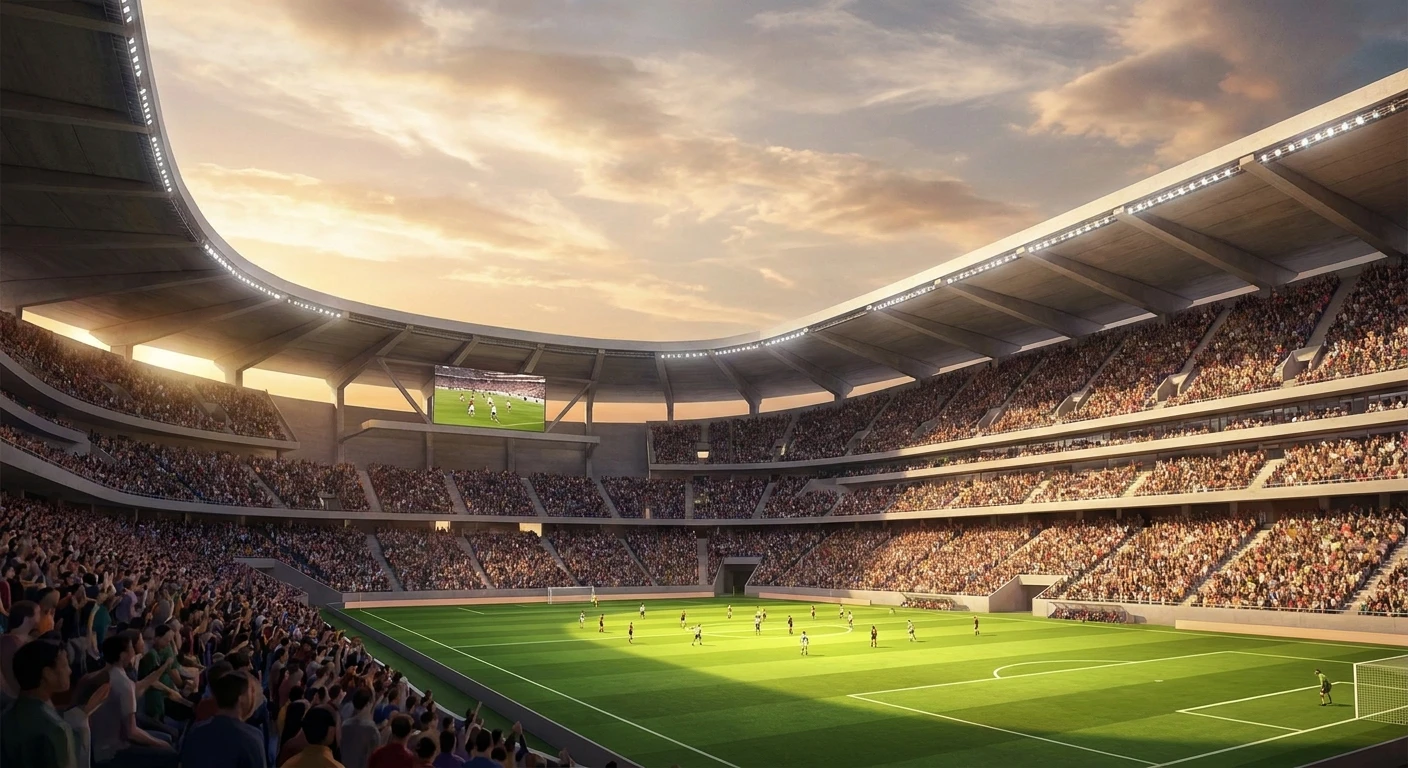
Welcome to Commonwealth Stadium: A Monument to Sports and Culture
If you are looking for an iconic venue that defines Canadian sports history, Commonwealth Stadium stands out as a true architectural and athletic marvel. Situated in the heart of Edmonton, Alberta, this colossal open-air arena is much more than just a place to watch a football game. It is a gathering point for passionate fans, a historical landmark that has hosted global athletic competitions, and a testament to modern stadium engineering. From the roar of over fifty thousand fans cheering for the Edmonton Elks to the massive international music tours that shake the concrete foundations, the energy here is absolutely undeniable. Whether you are a lifelong local supporter or a first-time visitor eager to soak in the atmosphere, stepping into this facility is always an unforgettable experience. The venue successfully bridges the gap between old-school stadium charm and modern entertainment demands.
Understanding the full impact of this monumental structure requires looking well beyond the seating charts and concession stands. You have to look at how it integrates with the city, how it has evolved over the decades, and what makes it a premier destination for major events. We are going to break down everything from the structural ingenuity that keeps fans comfortable to a complete step-by-step guide for making the absolute most out of your gameday or concert experience. Grab a beverage, get comfortable, and let us talk about what makes this venue a crown jewel of North American sports infrastructure.
Read also: Roy Green: The Ultimate Dual-Threat Football Legend; Ribfest Peterborough.
The Core Experience: Why This Venue Dominates
The sheer scale of the facility offers a distinct value proposition for both event organizers and attendees. For fans, the primary benefit is the combination of immense capacity with surprisingly intimate sightlines. You might think that a stadium holding over 56,000 people would leave upper-deck ticket holders feeling disconnected from the action, but the specific bowl design ensures that energy is trapped within the arena, amplifying crowd noise and keeping everyone visually engaged. For event organizers, the venue provides unparalleled flexibility. It can seamlessly transition from a Canadian Football League gridiron to a FIFA-regulated soccer pitch, or transform into a sprawling stage for artists like U2 or The Rolling Stones. This adaptability makes it an economic engine for the region.
Let us look at a couple of specific examples of this value in action. First, consider the integration of public transit. The dedicated light rail transit (LRT) station located mere steps from the gates means that tens of thousands of people can arrive and depart without gridlocking the surrounding neighborhoods. Second, consider the wide concourses that allow for rapid crowd movement, reducing wait times for food and merchandise, which dramatically improves the overall fan experience. Below is a quick comparison of how this facility stacks up against other major Canadian venues.
| Stadium Name | Primary Roof Type | Approximate Capacity |
|---|---|---|
| Commonwealth Stadium | Open-Air | 56,400 |
| BC Place | Retractable Roof | 54,500 |
| Rogers Centre | Retractable Roof | 39,150 |
| Olympic Stadium | Fixed/Retractable | 56,000 |
If you need more convincing to add a visit to your bucket list, here are three standout reasons to experience an event here:
- The Unmatched Atmosphere: The open-air environment means you experience the elements exactly as the players do, adding a gritty, authentic feel to late-season football games.
- Seamless Accessibility: With the adjacent transit hub, getting to your seat from downtown takes minutes, stripping away the usual stress of event parking.
- Historical Significance: Sitting in the same stands where international track and field records were shattered and multiple championships were won adds a layer of prestige to any ticket.
The Origins of a Mega-Venue
The story of the stadium begins in the mid-1970s, driven by Edmonton’s successful bid to host the 1978 Commonwealth Games. City planners and athletic committees recognized that existing infrastructure was insufficient for an international event of that magnitude. The decision was made to build a brand-new, world-class facility adjacent to the older Clarke Stadium. Construction was a massive undertaking, requiring innovative engineering to ensure the project was completed on time and within budget. When it officially opened, it immediately set a new standard for Canadian sports venues, boasting natural grass and a state-of-the-art running track that drew athletes from across the globe.
The Evolution Through the Decades
Throughout the 1980s and 1990s, the facility underwent significant transformations to accommodate its primary tenant, the Edmonton Elks of the Canadian Football League. While it started with a strong track-and-field focus, football quickly became its bread and butter. The venue hosted multiple Grey Cup championships, cementing its reputation as a fortress of Canadian football. During this era, the stadium also began attracting massive musical acts, proving its viability as a dual-purpose entertainment hub. Upgrades to lighting, sound systems, and locker rooms were continually implemented to keep pace with the demands of top-tier performers and athletes.
The Modern State of the Facility
Today, the facility represents a perfect blend of historic legacy and modern convenience. The original natural grass was replaced with high-tech artificial turf to allow for more intense, year-round usage without the massive maintenance overhead. The seating bowl has been completely retrofitted with wider, more comfortable seats, replacing the old bench-style accommodations in many sections. High-definition video boards dominate the end zones, providing crystal-clear replays and interactive fan engagement. Even the concourses have been upgraded to feature local culinary vendors, elevating the traditional hot-dog-and-beer menu to something much more diverse and appealing.
Structural Engineering and Design Efficiency
From an architectural standpoint, the stadium is a marvel of concrete engineering. Built in a classic bowl configuration, the structure uses massive concrete cantilevers to support the upper decks while minimizing obstructed views. This design is particularly brilliant because it helps to contain acoustic energy. When fifty thousand fans are screaming, the sound bounces off the angled concrete and directs back onto the field, creating a tremendously hostile environment for visiting teams. Furthermore, the structural design accounts for the severe temperature fluctuations typical of the local climate, using expansion joints that allow the concrete to contract in the freezing winters and expand in the hot summers without cracking or losing structural integrity.
Artificial Turf Technology
The playing surface itself is a fascinating piece of sports science. Moving away from natural grass was a strategic decision to handle the rigorous schedule of football, soccer, and concerts. The current surface utilizes an advanced synthetic turf system. This is not the abrasive green carpet of the 1980s; this is a highly engineered system featuring polyethylene blades that mimic the feel and roll of real grass. Beneath the surface lies a complex drainage system and a shock-absorbing pad that significantly reduces the risk of player injury upon impact. The infill consists of a specialized mixture designed to provide optimal traction regardless of whether it is pouring rain or snowing.
- Lighting Capabilities: The field is illuminated by a state-of-the-art LED lighting array capable of exceeding standard broadcast lux requirements, ensuring flicker-free slow-motion replays.
- Turf Infill: The synthetic surface uses a cryogenic rubber and sand infill matrix to maintain a consistent G-max rating (impact absorption) across the entire field.
- Seating Pitch: The angle of the stadium seating is mathematically optimized to ensure that even the highest rows maintain a clear line of sight over the rows in front of them.
- Transit Capacity: The adjacent LRT station is engineered to safely handle the rapid influx and egress of up to 20,000 passengers within a single hour post-event.
- Winterization: Key infrastructural pipes and field-level amenities are wrapped in high-efficiency thermal insulation to prevent freezing during late-season playoff games.
Step 1: Secure Your Tickets and Seating Strategy
Planning the ultimate trip to Commonwealth Stadium starts long before kickoff. First, you need to map out your ticketing strategy. If you love feeling the ground shake from tackles, aim for the lower bowl near the fifty-yard line. If you prefer to watch plays develop from a tactical viewpoint, the upper deck offers an incredible panoramic perspective. Always purchase tickets through official box offices or verified secondary markets to avoid disappointment at the gates.
Step 2: Plan Your Transit and LRT Route
Do not even think about driving directly to the main gates unless you have a VIP parking pass. The smartest, most efficient way to arrive is via the LRT. Find a Park and Ride location along the transit line, leave your vehicle there for free, and ride the train directly to the Stadium Station. You will be surrounded by fellow fans, building the hype before you even see the stadium lights.
Step 3: Dress for the Elements
Being an open-air venue in a northern climate means the weather can change rapidly. Layering is your best friend. Start with a moisture-wicking base layer, add a thermal mid-layer, and top it off with a windproof and waterproof shell. Do not forget comfortable footwear, as you will likely be walking several blocks from the transit station or tailgating areas, and concrete floors get chilly quickly.
Step 4: Arrive Early for Tailgating and Fan Zones
Gameday is about the community just as much as the game itself. Plan to arrive at least two hours before the event starts. Head over to the official fan zones or the designated tailgating parking lots. You will find live music, alumni cheerleaders, interactive games, and a vibrant community of people grilling food and tossing footballs. It is the perfect way to get into a festive mood.
Step 5: Navigate the Concourse for Local Eats
Once you scan your ticket and enter the gates, take a lap around the main concourse. Skip the generic snacks and look for kiosks featuring local restaurants and craft breweries. The culinary offerings have improved drastically, meaning you can easily find gourmet burgers, artisan sausages, and excellent craft beer options right outside your seating section.
Step 6: Find Your Section and Enjoy the Warm-Ups
Head to your seat about forty-five minutes before the main event begins. This gives you plenty of time to find your exact row, meet your seat neighbors, and watch the athletes go through their pre-game warm-ups. Watching the sheer speed and size of the players up close before the chaotic action of the game begins provides a great appreciation for their athletic ability.
Step 7: Participate in the Post-Game Exodus Safely
When the final whistle blows, there is no need to sprint for the exits. Take your time, finish your beverage, and let the initial wave of people clear out. When you do head to the LRT station, follow the directions of the transit staff. They are experts at managing massive crowds safely, and while the lines look long, they move incredibly fast thanks to the deployment of extra train cars.
Myths & Reality: Setting the Record Straight
Myth: The stadium is exclusively a Canadian football venue. Reality: While it is famous for football, it has successfully hosted the FIFA Women’s World Cup, international rugby fixtures, and massive stadium rock concerts, proving its immense versatility.
Myth: Going to an open-air game late in the year is miserably cold. Reality: With the right layered clothing, heated concourse areas, and the ambient heat generated by tens of thousands of cheering fans, late-season games offer a thrilling, entirely manageable, and authentic cold-weather sports experience.
Myth: Traffic and parking make attending a massive headache. Reality: The city’s light rail transit system is specifically designed to handle stadium crowds, effectively neutralizing traffic issues if you utilize the widespread Park and Ride system.
Myth: The artificial turf is bad for athletes and causes injuries. Reality: The venue uses modern, highly advanced synthetic surfaces with specialized shock pads that meet strict international safety standards, greatly minimizing injury risks compared to older turf generations.
What is the seating capacity of Commonwealth Stadium?
The facility comfortably seats approximately 56,400 spectators, making it the largest open-air stadium in Canada. This massive capacity allows it to host the biggest international events and concerts.
Does the venue have a retractable roof?
No, it is a traditional open-air facility. Fans and players experience the natural weather conditions, which adds a unique, authentic element to every single event hosted there.
Who plays their home games here?
The primary tenant is the Edmonton Elks of the Canadian Football League (CFL). The team has a rich history and has played their home games here since the stadium originally opened.
Can you take the LRT directly to the stadium?
Yes, absolutely. The Stadium Station on the LRT line drops you off right next to the facility. It is widely considered the most efficient and stress-free way to arrive on a busy gameday.
Are outside food and drinks allowed?
Generally, outside food and beverages are strictly prohibited, with exceptions made only for specific medical needs or infant care. The concourses offer a massive variety of dining options instead.
When was the stadium originally built?
Construction was completed in 1978. It was specifically built to serve as the premier host venue for the 1978 Commonwealth Games, which is where its iconic name originated.
Has the venue hosted the Grey Cup?
Yes, it has hosted the CFL’s championship game multiple times. These events draw fans from all across the country and result in week-long festivals celebrating Canadian sports culture.
Ultimately, Commonwealth Stadium is more than just concrete, steel, and synthetic turf; it is a vital organ of the city’s cultural heartbeat. From its historic origins hosting international games to its current status as a modernized sports colosseum, it consistently delivers an unmatched atmosphere. The roaring crowds, the crisp open air, and the sheer scale of the architecture make every visit memorable. Stop waiting on the sidelines and experience the magic for yourself. Check the upcoming schedule, secure your tickets, and get ready for an unforgettable gameday at this legendary venue!






