
Coquihalla Canyon Provincial Park: A Complete Guide
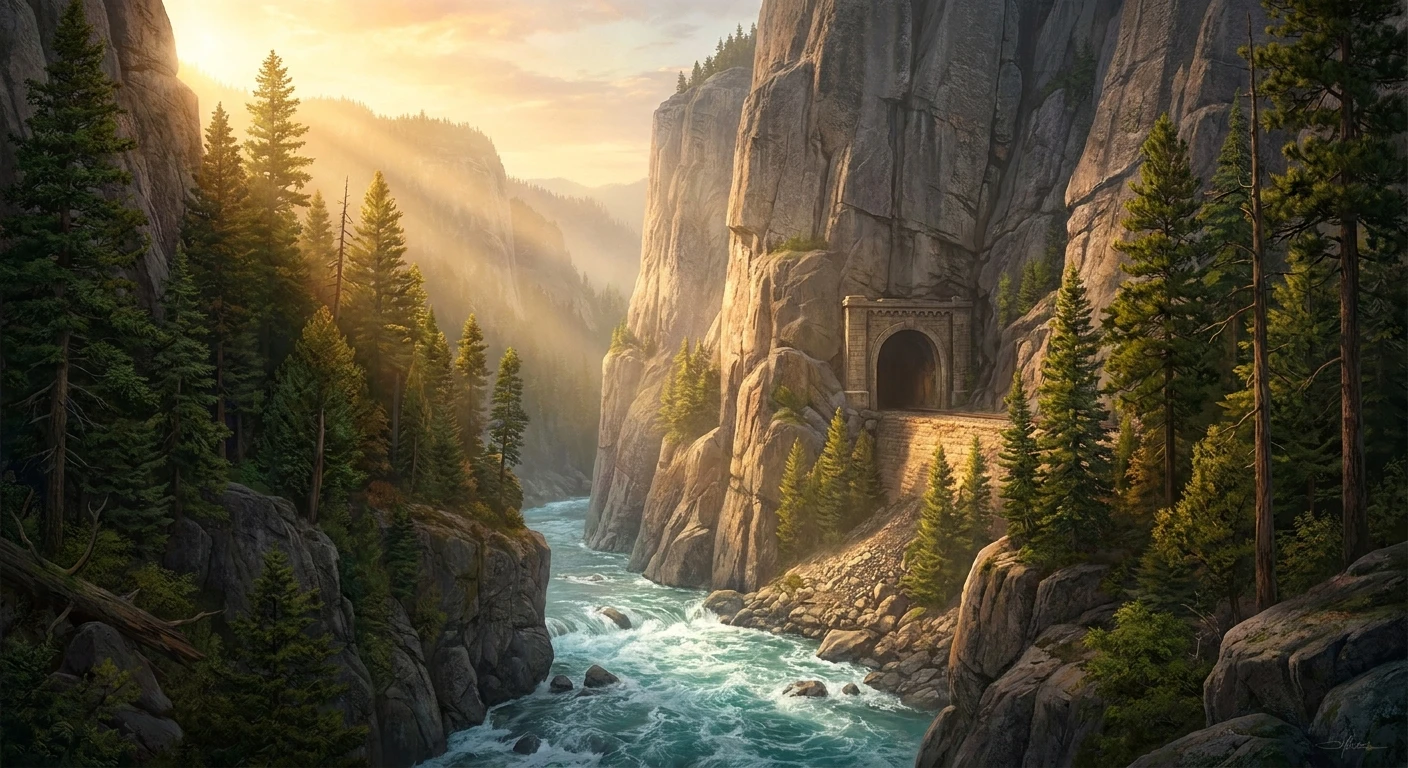
Nestled just east of Hope, British Columbia, Coquihalla Canyon Provincial Park stands as one of the most dramatic and awe-inspiring natural landscapes in the Pacific Northwest. Known globally for the famous Othello Tunnels, this incredible destination offers visitors a unique blend of rugged wilderness and astonishing human engineering. Carved over millennia by the relentless force of the Coquihalla River, the canyon features sheer vertical granite walls that plunge straight into churning, turquoise waters. When you step onto the flat, accessible gravel trails of this park, you are instantly transported to an era where railway engineers battled impossible geographical odds to connect the coast to the interior.
The significance of this provincial park extends far beyond its stunning visuals. It serves as a vital ecological corridor, a living museum of railway history, and a testament to modern conservation efforts. Whether you are a dedicated railway historian, an avid nature photographer, or simply looking for an unforgettable day hike with breathtaking scenery, this destination provides immense value. The steep rock faces and the roaring river create a microclimate that supports diverse flora and fauna, making every visit a fresh experience. By understanding the intricate balance between the raw power of nature and the historical infrastructure preserved here, you can fully appreciate why thousands of people flock to this specific canyon year after year.
Read also: Oak Island Treasure Found The Ultimate Truth; Guide to Rogers Centre Renovations.
Why You Need to Visit: Benefits and Key Features
The primary benefit of visiting this specific park lies in its unparalleled accessibility to profound natural beauty. Unlike many mountainous destinations that require grueling, multi-day treks to witness spectacular gorges, this park offers a relatively flat grade. This accessibility stems from its history as a railway line, which required a maximum grade of just over two percent. Consequently, families with strollers, elderly visitors, and individuals with varied mobility levels can easily navigate the primary paths and experience the towering granite cliffs up close.
To give you a clearer picture of what the area offers, consider the specific trails and their distinct value propositions. For example, a photographer will find endless inspiration in the contrast between the dark, geometric railway tunnels and the vibrant green foliage hanging off the cliff faces. A geology enthusiast, on the other hand, gains immense value from observing the exposed batholith rock formations created millions of years ago.
| Trail / Area Name | Difficulty Level | Primary Feature |
|---|---|---|
| Othello Tunnels Route | Easy (Flat grade) | Five historic railway tunnels and river trestles |
| Hope-Nicola Valley Trail | Moderate | Dense forest paths and historical travel routes |
| Coquihalla River Viewpoints | Easy | Spectacular overlooks of the churning rapids |
To ensure a safe and enjoyable trip, you need a solid action plan before arriving. Here are the essential steps for preparing your visit:
- Pack high-quality illumination: Even on the brightest summer days, the interiors of the tunnels can be pitch black in the center sections. A strong flashlight or headlamp is crucial to avoid tripping on uneven gravel.
- Check official BC Parks advisories: Because the canyon is subject to dynamic weather and river conditions, trail closures can happen unexpectedly. Always verify the current status before you drive out.
- Wear sturdy, closed-toe footwear: While the trails are relatively flat, the surface is composed of railway ballast gravel which can be uncomfortable in thin-soled shoes or sandals.
- Bring adequate environmental protection: The temperature inside the canyon drops significantly due to the shade of the cliffs and the cold air rolling off the glacial river water. A light jacket is recommended even in mid-July.
The History and Origins of the Canyon Corridor
Origins of the Kettle Valley Railway
The story of the park is intrinsically tied to the Kettle Valley Railway (KVR). In the early 20th century, the Canadian Pacific Railway needed a secondary route to secure the rich mining resources of southern British Columbia and keep them within Canadian borders. The chief engineer assigned to this monumental task was Andrew McCullough. Tasked with routing a railway through the impenetrable Cascade Mountains, McCullough chose the Coquihalla Gorge. In 1914, workers began the dangerous and grueling task of blasting a path through solid granite, essentially carving a straight line through the winding river canyon.
Evolution from Rail to Trail
Operating a railway in this harsh alpine environment proved to be an ongoing battle against nature. Heavy snowfalls, rockslides, and severe washouts constantly plagued the line. McCullough, an avid reader of William Shakespeare, named the stations in this section after Shakespearean characters—hence names like Lear, Jessica, Romeo, and the famous Othello. Despite the poetic naming, the brutal reality of the canyon’s weather forced the eventual closure of this railway section in 1959 following a massive washout. For decades, the area sat abandoned, with nature slowly reclaiming the tracks and trestles until public interest sparked a preservation movement. The area was officially established as a provincial park in 1986 to protect both the historical structures and the delicate river ecosystem.
The Modern State of the Park
Today, as we move through 2026, the park stands as a testament to resilience. In late 2021, unprecedented atmospheric rivers caused catastrophic flooding throughout British Columbia, severely damaging the park’s infrastructure, washing away trails, and structurally compromising the bridges. Through immense provincial investment, careful engineering, and dedicated conservation work, the park has been meticulously restored. The modern iteration of the park not only honors its 1914 engineering roots but incorporates highly resilient modern materials to ensure the tunnels and trestles can withstand the unpredictable climate of the future.
Scientific and Technical Deep Dive
Geological Formations of the Canyon
To truly grasp the magnitude of this natural wonder, you must look at the geological forces at play. The steep walls of the gorge are primarily composed of massive granitic rock belonging to the Coast Mountains Batholith. This intrusive igneous rock was formed deep underground millions of years ago as magma cooled slowly, creating an incredibly dense, hard structure. Over subsequent ice ages and interglacial periods, glacial runoff and the relentless fluvial erosion of the river acted like a massive saw, cutting vertically down through the granite. Because the granite is so uniform and resistant to lateral erosion, the river carved a sheer vertical gorge rather than a wide V-shaped valley. This rare geological anomaly is exactly what makes the canyon so visually striking.
Engineering Marvels of the Tunnels
When Andrew McCullough surveyed the gorge, he realized that building a track around the tight river bends was mathematically impossible for trains. His solution was brilliant but dangerous: cut a straight line directly through the rock, crossing the river multiple times. The sheer structural integrity of the local granite actually played to his advantage. Unlike modern tunnels that require extensive concrete and steel reinforcements, these tunnels were blasted and essentially left as raw rock because the granite was stable enough to hold its own weight.
- Rock Hardness: The local granite measures incredibly high on the Mohs scale, allowing for unreinforced tunnel ceilings spanning over 20 feet wide.
- Fluvial Dynamics: During peak spring melt, the water flow rate through the gorge can exceed several hundred cubic meters per second, creating a deafening acoustic echo.
- Microclimate Creation: The depth of the canyon blocks direct sunlight for most of the day, lowering ambient temperatures by up to 10 degrees Celsius compared to the nearby town of Hope.
- Blasting Metrics: Historical records indicate that thousands of tons of high explosives were carefully calculated and utilized to fracture the granite precisely along natural fault lines.
Actionable Plan: A 7-Day Coquihalla Region Itinerary
While the park itself can be walked in a single afternoon, maximizing your trip to the region requires a well-structured plan. Here is a comprehensive 7-day itinerary that uses the canyon as the centerpiece for a broader Fraser Valley adventure.
Day 1: Arrival in Hope and Orientation
Begin your journey by arriving in the nearby town of Hope. Check into your accommodation and spend the afternoon getting oriented. Visit the Hope Visitor Centre to gather current trail maps, verify weather conditions, and learn about the local Indigenous heritage of the Stó:lō people who have navigated these rivers for thousands of years.
Day 2: Hiking the Primary Tunnels Route
Dedicate your second day entirely to the park’s main attraction. Arrive early in the morning to beat the crowds. Walk the flat gravel path through the five massive Othello Tunnels. Take your time to inspect the blast marks on the walls, read the historical plaques, and photograph the river rushing directly beneath the connecting trestle bridges.
Day 3: Wildlife Spotting and Nature Photography
Return to the park’s outer trails with a focus on ecology. Bring binoculars and a telephoto lens. The dense forests bordering the canyon are home to black bears, deer, and diverse bird species including eagles and osprey. Spend the morning in quiet observation near the riverbanks where wildlife frequently comes to drink.
Day 4: Exploring the Hope-Nicola Valley Trail
Expand your physical activity by tackling the connecting Hope-Nicola Valley Trail. This moderate hike takes you beyond the easy railway grade and up into the surrounding hills. You will pass through magnificent old-growth cedar and Douglas fir forests, gaining elevation that offers panoramic views of the entire Coquihalla Valley.
Day 5: Geological Field Day Along the River
Take a day to focus on the science of the region. Follow the safe, designated viewpoints along the river to study the polished granite bedrock. Look for potholes—circular depressions in the rock carved by swirling stones trapped in river eddies. This is a highly educational day perfect for families looking to learn about erosion.
Day 6: Historical Deep Dive at Local Museums
Step out of the wilderness and dive into the archives. Visit the Hope Museum to see original photographs, tools, and artifacts from the Canadian Pacific Railway construction era. Understanding the extreme hardships faced by the laborers in 1914 will give you a profound new appreciation for the infrastructure you walked on earlier in the week.
Day 7: Final Viewpoints and Departure
On your final morning, return to the canyon for one last look at the morning mist rising off the roaring water. Capture your final photos as the early light hits the granite peaks. Pack up your gear, ensure you leave no trace behind, and begin your journey home with unforgettable memories.
Myths & Reality
There are many misconceptions about this famous destination. Let us clear up the facts.
Myth: The tunnels are completely unlit and highly dangerous.
Reality: While they are naturally dim and lack artificial electric lighting, the paths are heavily maintained, leveled, and cleared of debris. As long as you bring a standard flashlight, they are incredibly safe to walk through.
Myth: The 2021 atmospheric river permanently destroyed the park.
Reality: The flooding caused massive devastation, but as of 2026, extraordinary provincial rehabilitation efforts have rebuilt the trestles and stabilized the paths, reopening the core sections to the public better and stronger than before.
Myth: You need advanced mountaineering skills to see the gorge.
Reality: The main trail follows an old railway bed, meaning it has a maximum grade of 2.2%. It is wide, flat, and highly accessible for strollers and most mobility aids.
Myth: The river is safe for casual summer swimming.
Reality: The water forced through the narrow canyon creates violent, unpredictable undercurrents. Swimming in the gorge is strictly prohibited and extremely lethal.
Frequently Asked Questions & Conclusion
Are dogs allowed in the park?
Yes, dogs are permitted but must be kept on a leash at all times to protect both the wildlife and other visitors on the narrow trails.
Is there an entrance fee?
No, like most BC Provincial Parks for day use, entry to the canyon is completely free for all visitors.
When is the best time to visit?
Late spring through early autumn provides the most reliable access, as the park often closes in winter due to hazardous ice falling from the tunnel ceilings.
Can I ride a bicycle through the tunnels?
Yes, bicycles are allowed on the trail, making it a popular segment of the broader Trans Canada Trail network, though you must yield to pedestrians.
Are the tunnels wheelchair accessible?
The main path is a hard-packed gravel railway bed with a very gentle incline, making it accessible for most sturdy wheelchairs and mobility scooters.
Is camping permitted here?
No, this location is strictly a day-use area. However, there are numerous private and provincial campgrounds in the nearby town of Hope.
How cold does it get in the canyon?
Even in mid-summer, the deep shade and icy river water can drop the ambient temperature to around 10-15 degrees Celsius. Always bring layers.
Are there washroom facilities available?
Yes, pit toilets are available at the main parking lot near the entrance to the trail system.
Can I fly a drone in the canyon?
Drone use in BC Provincial Parks requires special permits and is generally prohibited for recreational users to prevent wildlife disturbance and protect visitor privacy.
How long does the main hike take?
A round trip walking at a leisurely pace through all the tunnels and back takes approximately one to two hours.
From its sheer granite cliffs to its incredible railway history, Coquihalla Canyon Provincial Park is an absolute must-see destination that effortlessly bridges the gap between raw nature and human ingenuity. The thundering river and dark, cinematic tunnels will leave a lasting impression on anyone who makes the journey. Don’t wait for another season to pass you by—pack your hiking boots, grab your flashlight, and plan your adventure to this breathtaking provincial treasure today!






