
Shubenacadie Sam: The Groundhog That Controls Our Spring Plans
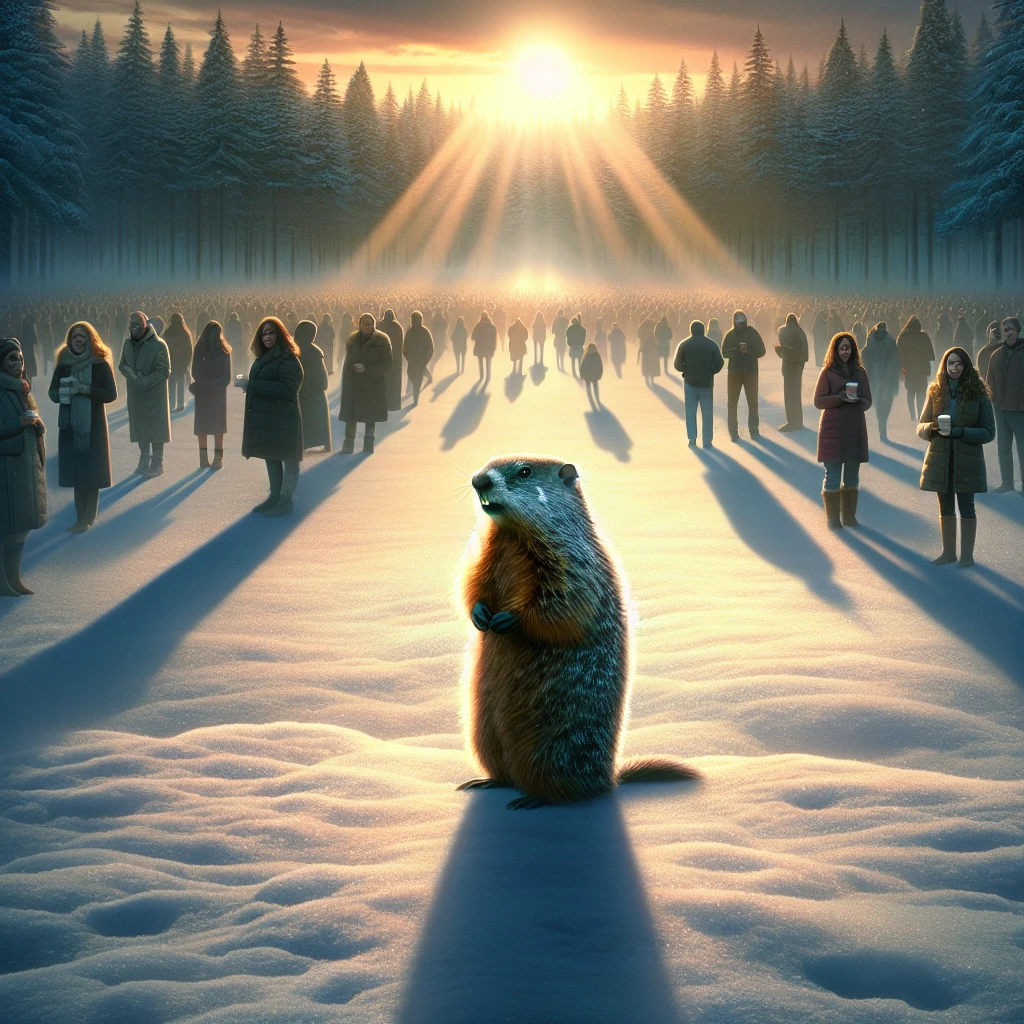
Have you ever genuinely wondered why we trust a small, furry marmot with our seasonal scheduling? Shubenacadie Sam isn’t just an ordinary groundhog; he is an absolute cultural icon in Nova Scotia and proudly holds the title of the first weather-predicting groundhog in North America to make his forecast every February 2nd. I still vividly remember freezing my toes off at the Shubenacadie Provincial Wildlife Park a few years back. I was standing there holding a steaming thermos of coffee, waiting patiently for the little guy to waddle out of his meticulously maintained burrow. The local energy was completely electric. Kids were cheering, news cameras were stationed everywhere, and the collective breath of the massive crowd hung in the frigid morning air. We rely on this seemingly bizarre tradition because it brings a massive spark of joy to the absolute darkest stretch of a brutal Canadian winter. I want to chat about exactly why this specific groundhog matters so much to our community, how the biological mechanics work, and how his morning shadow actually impacts our collective mood and economic planning. It sounds wild, right? Trusting a rodent with meteorology. But the ritual runs incredibly deep. We are going to look closely at the history, the actual biology of hibernation, and even give you a solid, robust plan to experience the magic yourself.
Why does Shubenacadie Sam command such intense attention every single year? The core concept is wonderfully simple: if he sees his shadow on the morning of February 2nd, we get six more agonizing weeks of winter. If he doesn’t see a shadow due to overcast skies, we excitedly pull out the spring jackets early. But beyond the fun folklore, it is a massive community event that actively drives regional tourism and local engagement. The real benefit here is the psychological boost during a ruthlessly long winter. For example, when Sam predicts an early spring, local garden centers and nurseries see an immediate, tangible spike in seed sales and gardening equipment. People instantly feel energized and ready to tackle the soil. On the flip side, a prolonged winter prediction gives local ski resorts, snowmobile clubs, and winter festival organizers a massive marketing boost to sell out their remaining seasonal passes. Think about how effectively the entire community rallies around this single moment.
Let’s break down exactly how Shubenacadie Sam stacks up against his famous peers across North America.
| Famous Predictor | Geographic Location | Time Zone Advantage |
|---|---|---|
| Shubenacadie Sam | Nova Scotia, Canada | First (Atlantic Standard Time) |
| Punxsutawney Phil | Pennsylvania, USA | Second (Eastern Standard Time) |
| Wiarton Willie | Ontario, Canada | Second (Eastern Standard Time) |
You can clearly see from the data why Sam is incredibly special. He practically sets the tone for the entire continent before anyone else is even awake. The prediction process is meticulously managed by professionals:
- Park rangers and wildlife experts carefully monitor Sam’s habitat and diet leading up to early February.
- At exactly sunrise, the specialized enclosure is formally opened to the eager public and mainstream media.
- The official town crier loudly announces the forecast based strictly on the shadow observation.
- The community immediately broadcasts the final results across global news networks and social media platforms.
The Origins of the Groundhog Tradition
You might honestly think this whole shadow-predicting business started as a clever modern marketing stunt, but the roots actually stretch back centuries across the Atlantic. The peculiar tradition evolved directly from the ancient European Christian holiday known as Candlemas. Back in those medieval times, local clergy would distribute blessed candles to the village people, and the specific weather on that exact day was fiercely believed to indicate exactly how long the remaining winter would last. When German immigrants eventually sailed over and settled in North America, they stubbornly brought this rich folklore with them. However, they didn’t have access to badgers or hedgehogs—the traditional animals they originally used back in Europe. What did they find in absolute abundance? Groundhogs. So, by sheer geographical necessity, the North American groundhog became the brand new weather prophet.
Evolution of Sam’s Role in Nova Scotia
Shubenacadie Sam wasn’t always a globally recognized superstar. The beloved tradition at the Shubenacadie Provincial Wildlife Park started relatively small. Several decades ago, it was just a fun local quirk. A handful of dedicated park attendants and some curious locals would casually gather in the freezing cold just to see what the resident groundhog was up to that morning. But as regional media grew, so did Sam’s undeniable fame. Being geographically located in the Atlantic Time Zone gave him a massive, unbeatable advantage. News outlets quickly realized they could secure their very first Groundhog Day headline from Nova Scotia hours before the American groundhogs even rubbed their eyes. Over the passing years, Sam transformed into a highly respected, official mascot for the entire province, effortlessly drawing thousands of eager tourists.
The Modern State of the Phenomenon
Now, as we navigate through the fast-paced digital landscape of 2026, the global phenomenon surrounding Shubenacadie Sam is vastly bigger than ever before. He boasts highly active social media accounts, high-definition live streams, and dedicated branded merchandise. People from all over the world tune in via webcams on their smartphones. It isn’t just a physical gathering in the snow anymore; it is a massive, highly coordinated digital event. The wildlife park has significantly upgraded his custom enclosure, ensuring he lives like absolute royalty year-round. The modern iteration of this tradition beautifully blends old-school, charming folklore with high-speed internet broadcasting, creating a massive shared cultural moment that effortlessly transcends international borders.
The Biological Mechanics of Hibernation
Let’s get a bit nerdy for a second. The groundhog, scientifically classified as Marmota monax, is a true, profound hibernator. This isn’t just taking a long, cozy winter nap. When a groundhog enters its deep hibernation state, its physical body undergoes extreme, mind-blowing physiological changes. Their active heart rate dramatically drops from around 80 beats per minute down to a sluggish 5 beats per minute. Their core body temperature plummets from a normal 99 degrees Fahrenheit to as chillingly low as 37 degrees. This intense metabolic depression safely allows them to survive entirely on stored body fat for many months without eating a single bite or drinking any water. So, when Shubenacadie Sam finally emerges in early February, his tiny body is actually reacting to subtle biological shifts in daylight and temperature, violently breaking out of a deeply complex state of suspended animation.
Meteorological Accuracy: Shadows vs. Real Science
So, how accurate is he realistically? Professional meteorologists secretly love to aggressively analyze groundhog predictions against actual, hard climate data. Scientifically speaking, a bright, sunny day in early February (which naturally creates a visible shadow) is very often physically associated with cold, clear, high-pressure arctic air masses. A heavily cloudy day (which means absolutely no shadow) usually indicates a milder, moist air mass is actively moving through the region. So, there is actually a tiny, fascinating thread of meteorological logic buried in the folklore. However, long-term climatology studies strictly show that groundhogs are truthfully only accurate about 39% of the time. You are literally statistically better off blindly flipping a coin. But that absolutely does not stop us from completely loving the entire tradition.
Here are some wild, verified scientific facts about our favorite furry weather forecaster:
- Groundhogs can safely lose up to 30% of their total body weight during their grueling winter hibernation period.
- They naturally build highly complex underground burrows equipped with totally separate “rooms” for sleeping, waste elimination, and nursing their young.
- A healthy groundhog’s front incisors rapidly grow about 1.5 millimeters per single week, actively requiring constant, aggressive gnawing on hard wood to file them down.
- They naturally possess a highly specialized physical tissue called brown adipose tissue (often called brown fat) that literally acts like an internal, biological heating pad to violently wake their organs up in the spring.
If you genuinely want to fully immerse your family in the authentic Shubenacadie Sam experience, you desperately need a solid game plan. You cannot just blindly show up on February 2nd totally unprepared for the elements. Here is a definitive, robust 7-day guide to flawlessly celebrating Groundhog Day like a true, seasoned Nova Scotian.
Day 1: The Folklore Deep Dive
Start your exciting week by actively reading up on rich local Nova Scotian history. Mentally understand the exact geographical lay of the land at the Shubenacadie Provincial Wildlife Park. Enthusiastically gather your friends and family around the dinner table and clearly explain the strategic significance of the Atlantic Time Zone advantage. Building genuine anticipation is the absolute key to enjoying the event.
Day 2: Gathering Serious Winter Gear
Nova Scotia in early February is relentlessly, painfully cold. You need to seriously prepare your wardrobe right now. We are talking premium thermal base layers, thick wool socks, heavy-duty waterproof boots, and heavily insulated, windproof parkas. Chemical hand warmers are absolutely non-negotiable if you confidently plan to stand completely still outside waiting for a marmot to wake up.
Day 3: Route Planning and Logistics
Carefully map out your morning drive to the wildlife park. Local traffic gets surprisingly heavy and chaotic for this highly anticipated event. Strictly plan to arrive at least one full hour before actual sunrise. Figure out exactly where you will park your vehicle and tactically map out the quickest walking route directly to the groundhog enclosure to aggressively secure a premium front-row viewing spot.
Day 4: The Night Before Preparation
Set multiple loud alarms on your phone. Pack a high-quality, insulated thermos with premium hot coffee, tea, or rich hot chocolate. Physically prepare some quick, protein-heavy breakfast sandwiches wrapped in foil. The sheer physical energy you bring to the freezing morning will directly impact exactly how much fun you have standing in the biting cold.
Day 5: The Main Event – February 2nd
This is the big day. Arrive super early, happily mingle with the freezing locals, eagerly listen to the booming voice of the town crier, and intently watch Shubenacadie Sam finally make his legendary move. Take plenty of quick photos, but also consciously remember to put your phone down in your pocket and just peacefully soak in the bizarre, wonderful community atmosphere.
Day 6: Shadow Analysis and Lifestyle Planning
Now that the official verdict is completely out, smartly plan your next seasonal moves. If Sam definitively saw his shadow, confidently book a late-winter ski trip or immediately stock up on extra firewood for your stove. If he didn’t, happily start browsing bright seed catalogs for your spring garden and eagerly plan some early, muddy hiking routes.
Day 7: Wildlife Conservation Support
Wrap up your phenomenal week by generously giving back to the community. The Shubenacadie Provincial Wildlife Park tirelessly does incredibly hard work actively rehabilitating injured local animals. Make a small financial donation online or symbolically adopt an animal. It practically ensures that the dedicated park can easily continue hosting these spectacular events for many decades to come.
Debunking Groundhog Myths
There is a massive amount of weird misinformation aggressively floating around about our little weather forecaster. Let’s decisively clear the air.
Myth: Shubenacadie Sam is the exact same immortal groundhog every single year since the tradition began.
Reality: Groundhogs strictly live about 3 to 6 years in the wild, and safely up to 14 years in professional captivity. The honorary title of “Sam” is carefully passed down to different resident groundhogs over the years, functioning very much like a royal, inherited title.
Myth: Groundhogs possess a magical, supernatural sixth sense for accurately predicting weather.
Reality: Their groggy emergence is strictly biological, automatically triggered by shifting internal hormones and changing environmental light levels, totally not a supernatural, deeply ingrained understanding of barometric pressure systems.
Myth: A visible shadow always flawlessly and accurately predicts the upcoming weather.
Reality: Hard statistical data completely proves that groundhogs are historically right less than 40% of the time. Global climate patterns are far too massive and complex for a tiny shadow to accurately dictate a six-week seasonal shift.
Myth: Poor Sam is cruelly forced out of his warm burrow violently against his will.
Reality: The highly trained handlers at the wildlife park strictly prioritize the animal’s physical welfare above absolutely everything else. If the groundhog stubbornly refuses to come out, they definitively do not force him. The custom enclosure is totally designed for his ultimate comfort and safety.
What time does Shubenacadie Sam make his prediction?
He typically makes his highly anticipated prediction right around natural sunrise on February 2nd, which is usually right around 8:00 AM Atlantic Standard Time.
Where exactly is the wildlife park geographically located?
It is beautifully located in the town of Shubenacadie, Nova Scotia, roughly a scenic 40-minute drive straight north from downtown Halifax.
Can I easily watch the prediction online?
Yes, absolutely. The park management and several local news stations always set up high-quality live streams every single year specifically for people who cannot comfortably attend in person.
Is Shubenacadie Sam older than Punxsutawney Phil?
The famous tradition down in Punxsutawney actually started earlier (specifically in 1887), but Sam is internationally famous strictly for making the very first prediction of the entire day solely due to his eastern time zone location.
What actually happens if the groundhog unexpectedly dies before February 2nd?
The park always has highly trained understudy groundhogs completely ready to safely step into the massive role seamlessly. This brilliantly keeps the fun tradition alive without suddenly causing unnecessary public distress.
Are there any other animals that allegedly predict weather?
Yes, ancient folklore heavily mentions brown bears, badgers, and even tiny woolly bear caterpillars historically being used to casually forecast major seasonal temperature changes.
Is the wildlife park physically open year-round?
Yes, the massive park is completely open to the public throughout the entire year, actively featuring a tremendously wide variety of beautiful, native Nova Scotian wildlife far beyond just groundhogs.
To beautifully wrap this all up, Shubenacadie Sam is infinitely more than just a fuzzy, sleepy creature looking casually at the frozen ground. He is a massive cultural icon, a genuine biological marvel, and a bright beacon of pure hope during the tremendously long, painfully dark days of a Canadian winter. Whether you genuinely believe in the magic of the shadow or just absolutely love a totally good excuse to drink hot chocolate outside with your freezing neighbors, this specific tradition brilliantly brings people together. So, enthusiastically start planning your next trip to Nova Scotia, securely grab your heaviest winter coat, and get completely ready to cheer for a legendary groundhog!