
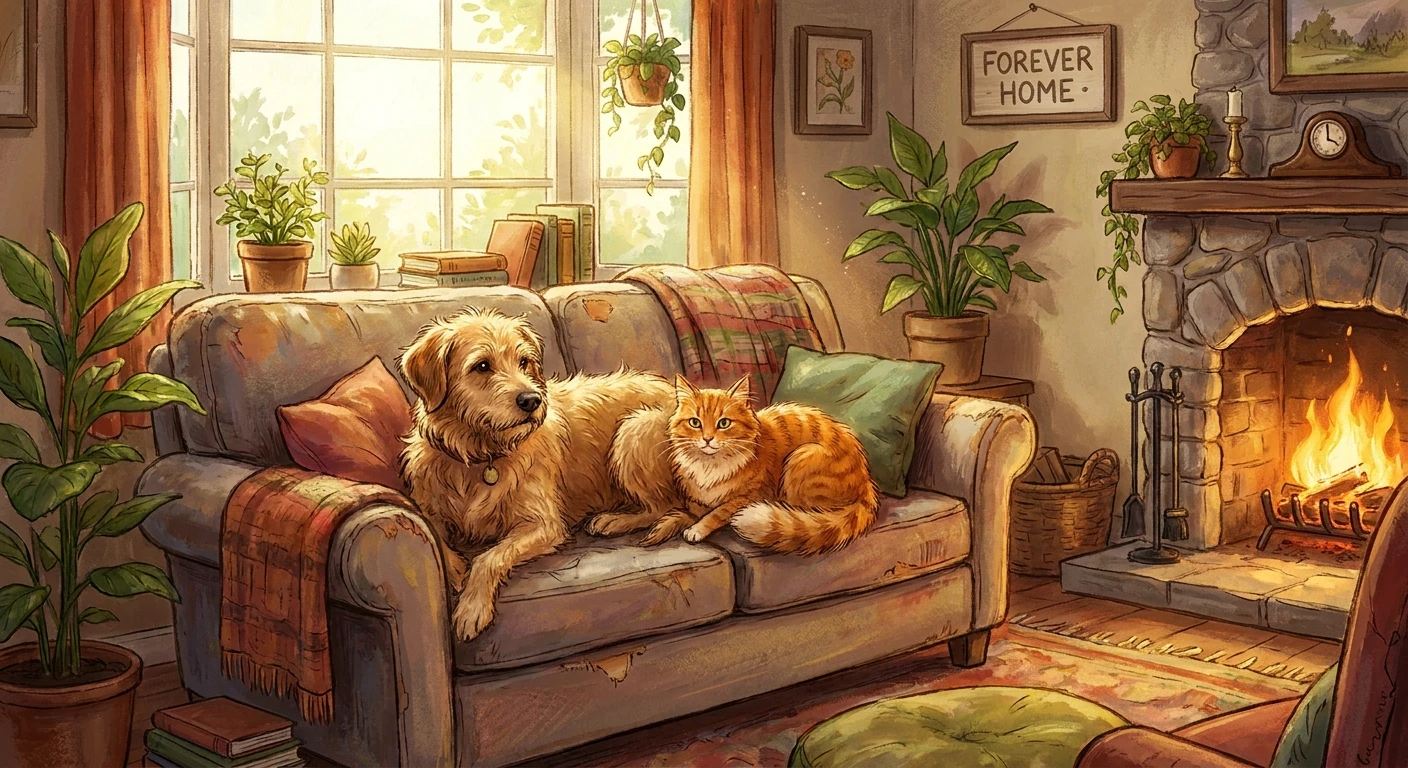
Your Complete Guide to Montreal SPCA Adoption
If you are considering a Montreal SPCA adoption, you are about to embark on a highly rewarding journey that changes multiple lives at once. Navigating the animal rescue system can initially feel overwhelming, but understanding the specific procedures, requirements, and support systems in place makes the experience seamless and joyful. The Society for the Prevention of Cruelty to Animals in Montreal handles thousands of domestic animals every single year, ranging from cats and dogs to rabbits, birds, and small mammals. By choosing to rescue rather than purchase, you directly combat the ongoing crisis of pet overpopulation while providing a second chance to a deserving companion. This guide provides a comprehensive, step-by-step breakdown of everything you need to know about bringing a shelter animal into your home. We will cover the practical benefits, the historical context of the organization, the science behind shelter medicine, and exactly how to prepare your household for a new arrival. Adopting a pet is a massive commitment that requires time, patience, and financial stability, but the unconditional companionship you receive in return is immeasurable.
The Core Benefits and Process
When you opt for a Montreal SPCA adoption, you are receiving much more than just a pet. You are gaining access to an entire network of veterinary professionals, behavioral specialists, and community volunteers dedicated to animal welfare. One of the most significant advantages of rescuing from an established organization is the comprehensive medical and behavioral vetting each animal receives before becoming available to the public. You do not have to guess about the animal’s baseline health. For example, every dog and cat is thoroughly examined by a shelter veterinarian, spayed or neutered to prevent further overpopulation, and treated for common parasites. Another major value proposition is the behavioral assessment. Shelter staff work closely with the animals to understand their temperament, energy levels, and sociability. They can tell you if a specific cat prefers to be the only pet in the household or if a particular dog is excellent with young children. This matching process drastically reduces the chances of a failed adoption.
Read also: Surviving a Power Outage London: Your Complete Guide; Mississauga Accident: Safety and Response Guide.
| Comparison Feature | Montreal SPCA Adoption | Private Commercial Breeder |
|---|---|---|
| Initial Financial Cost | Highly subsidized, flat fee covering medical basics. | Extremely high, often excluding initial veterinary care. |
| Medical Preparations | Includes spay/neuter, microchip, and first vaccines. | Often requires the new owner to pay for altering and microchipping. |
| Behavioral Support | Full temperament evaluation and post-adoption counseling. | Varies wildly; often zero formal temperament testing provided. |
To successfully complete the process, prospective pet parents must meet specific criteria designed to protect both the animal and the adopter. The shelter strictly enforces these rules to ensure lifelong placements.
- Valid Government Identification: You must provide a recognized form of ID showing your current residential address and verifying you are of legal age to sign a binding contract.
- Proof of Pet-Friendly Housing: If you rent your home or apartment, you are required to show a copy of your lease or a letter from your landlord explicitly stating that pets are permitted on the premises.
- Adoption Fee Payment: Adopters must be prepared to pay the standard fee, which varies depending on the species and age of the animal, using a debit or credit card at the time of finalization.
Origins of the Montreal SPCA
The Montreal SPCA holds a prestigious and vital place in the history of Canadian animal welfare. Founded in 1869, it stands as the very first animal welfare organization established in Canada. Initially, the founders were primarily concerned with the rampant abuse of working horses that pulled carts and carriages through the city’s cobblestone streets. During the late 19th century, animals were largely viewed as mere property or mechanical tools, with very few legal protections against overwork, starvation, or physical beating. The early members of the society worked tirelessly to introduce basic humane standards, pushing for legislation that would penalize the most severe forms of cruelty and neglect in the agricultural and transportation sectors.
Evolution of Animal Welfare in Quebec
As the city modernized and the combustion engine replaced horse-drawn transport, the organization’s focus naturally shifted toward companion animals. The mid-20th century saw a massive boom in the populations of stray dogs and cats across Quebec. The society adapted by building extensive sheltering facilities to house these vulnerable animals. During this era, the concept of animal welfare evolved significantly. The community began to recognize dogs and cats not just as pest control or guard animals, but as beloved family members. The shelter played a pivotal role in public education campaigns, urging citizens to keep their pets indoors, provide regular veterinary care, and report instances of neighborhood abuse.
The Modern State of Shelter Operations
Today, the shelter operates as a highly sophisticated, multi-faceted non-profit organization. It is no longer just a holding facility for strays. The modern campus features advanced veterinary suites, specialized isolation wards for infectious diseases, and enrichment areas designed to reduce the stress of confinement. The organization heavily relies on an expansive foster network, placing the most vulnerable animals—such as nursing mothers, unweaned kittens, and pets recovering from major surgery—into temporary private homes. Furthermore, the society is a fierce advocate for animal rights at the provincial level, constantly lobbying the government of Quebec for stricter animal cruelty laws and the outright banning of cosmetic surgeries like declawing and ear cropping.
The Science of Shelter Behavior and Assessment
Managing the mental health of animals in a highly stimulating environment requires a deep understanding of behavioral science. A shelter, no matter how well-funded, is inherently stressful for an animal due to the constant noise, unfamiliar scents, and lack of a predictable routine. Behavioral specialists utilize scientifically backed assessment protocols to gauge an animal’s resilience, fear triggers, and sociability. These assessments often include observing how a dog reacts to resource guarding scenarios, unfamiliar handling, and the presence of other canines. For felines, staff utilize the Feline Spectrum Assessment to determine if a cat is feral, semi-social, or fully domesticated. By applying these scientific metrics, the staff can tailor enrichment programs—such as olfactory stimulation using essential oils or food-puzzle toys—to lower anxiety and prevent the development of stereotypic behaviors like pacing or over-grooming.
Veterinary Protocols and Shelter Medicine
Shelter medicine is a distinct and highly specialized branch of veterinary science that focuses on herd health and outbreak prevention within high-density populations. When hundreds of animals share the same airspace, highly contagious pathogens can spread with devastating speed. The medical team operates under strict epidemiological guidelines to maintain a healthy population.
- High-Density Vaccination Calculus: Animals are vaccinated immediately upon intake, rather than waiting days, to rapidly build herd immunity against fatal viruses like Canine Parvovirus and Feline Panleukopenia.
- Stress-Induced Cortisol Reduction: High cortisol levels suppress the immune system. Vets prescribe specific routines and sometimes mild pharmacological support (like Trazodone or Gabapentin) to mitigate stress and prevent upper respiratory infections.
- Sanitation and Biosecurity: Staff follow rigorous biosecurity protocols, utilizing specific hospital-grade disinfectants and footbaths to prevent fomite transmission of ringworm and other zoonotic diseases between animal wards.
Step 1: Assess Your Lifestyle and Home Environment
Before ever looking at adorable photos online, take a hard, honest look at your current lifestyle. Are you working 12-hour shifts away from home? Do you enjoy hiking every weekend, or do you prefer quiet evenings on the couch? Match your energy level to the type of pet you want. High-energy working dog breeds require intense daily mental and physical stimulation, while senior cats might just want a warm lap and a quiet room. Factor in your financial budget for premium food, routine vet visits, and unexpected medical emergencies.
Step 2: Browse the Online Adoption Portal
The most efficient way to start the process is by frequently checking the official website’s adoption portal. The inventory of available animals updates constantly as pets find homes and new ones complete their mandatory stray holds. Read the biographical profiles carefully. The staff write these descriptions based on thorough observations, highlighting specific needs such as “must be the only pet” or “requires a fenced yard.” Make a list of several candidates rather than setting your heart on just one, as another family may adopt your first choice before you arrive.
Step 3: Prepare the Necessary Documentation
Do not show up empty-handed. Gather all required paperwork in advance to prevent any bureaucratic delays. Print out your residential lease agreement ensuring the pet clause is visible, or secure a signed permission letter from your landlord. Bring a valid piece of government-issued photo identification with your current address. If you currently have a dog and are looking to adopt a second one, have your current dog’s up-to-date vaccination records ready to prove that your home is medically safe for a new arrival.
Step 4: Visit the Shelter for a Meet and Greet
Once your documents are in order, visit the shelter during their public viewing hours. The environment can be loud and chaotic, so maintain a calm demeanor. If you are interested in a specific dog, ask a staff member or volunteer to arrange a meet and greet in one of the designated outdoor runs or quiet rooms. Spend time simply sitting with the animal. Let them approach you on their own terms. If you are adopting a dog and already have one at home, the shelter will require a supervised dog-to-dog introduction on neutral territory.
Step 5: Complete the Counseling Session
After choosing your new companion, you will sit down with an adoption counselor. This is not an interrogation, but rather a collaborative conversation to ensure a successful match. Be completely transparent about your experience level with pets. The counselor will go over the animal’s specific medical history, behavioral quirks, and dietary needs. They will provide valuable advice on house training, crate training, and integrating the pet with children or other household animals. Ask any questions you have; the staff wants you to succeed.
Step 6: Finalize the Adoption Paperwork and Fees
With the counseling complete, you will move on to the final paperwork. You will sign a legally binding contract stating that you agree to provide proper shelter, nutrition, and veterinary care for the duration of the animal’s life. The contract also mandates that the animal must be returned to the Montreal SPCA if you can no longer care for it. You will then pay the required adoption fee, which covers the sterilization surgery, microchip registration, and first round of core vaccines. You will receive a folder containing all the medical certificates.
Step 7: Transition Your New Pet Safely at Home
The journey does not end when you leave the parking lot; the crucial transition period begins. Implement the widely recognized 3-3-3 rule for rescued pets. In the first 3 days, the animal will likely be terrified, overwhelmed, and may refuse to eat or hide under furniture. Give them space and a quiet, designated safe room. After 3 weeks, they will begin to settle in, understand your routine, and show their true personality. After 3 months, they should feel completely integrated and secure in their new forever home. Patience is your greatest tool during this timeframe.
Myth: Shelter animals are always broken, aggressive, or sick.
Reality: The vast majority of animals in the shelter system are perfectly healthy, well-behaved pets that were surrendered due to unforeseen human circumstances, such as financial hardship, severe allergies, divorce, or a sudden move to non-pet-friendly housing. Any medical or behavioral issues are fully disclosed prior to signing the paperwork.
Myth: You cannot find purebred animals at a rescue shelter.
Reality: While mixed breeds are incredibly common and often healthier due to genetic diversity, up to a quarter of all dogs entering the shelter system are purebreds. If you are patient and check the portal regularly, you can find almost any specific breed.
Myth: The adoption application process is overly strict and designed to reject people.
Reality: The goal of the counselors is never to arbitrarily gatekeep animals. The comprehensive questions exist solely to prevent the heartbreaking scenario of a pet being returned a week later because of a preventable mismatch in lifestyle or housing constraints. The shelter genuinely wants to empty its cages.
How much does the adoption fee usually cost?
Fees typically range from small administrative amounts for small mammals up to a few hundred dollars for puppies, directly subsidizing their extensive medical care.
What exactly is included in the adoption fee?
The fee universally covers a physical examination, initial core vaccinations, deworming treatments, permanent microchip identification, and mandatory spay or neuter surgery.
Do I need to schedule an appointment to visit the shelter?
Policies fluctuate based on capacity, but currently, most general viewings can be done via walk-in during standard operating hours, though specific meet-and-greets may require coordination.
Can I return the pet if it absolutely does not work out?
Yes, the contract actually requires you to return the animal to the shelter rather than rehoming it yourself or surrendering it to an unknown third party.
Are the pets automatically spayed or neutered before leaving?
Absolutely. It is a strict organizational policy that no cat, dog, or rabbit leaves the facility capable of reproducing, ensuring they do not contribute to overpopulation.
Do they offer foster-to-adopt programs for uncertain situations?
Certain animals with specific behavioral or medical needs may qualify for a trial foster period, allowing the family to ensure it is a perfect fit before finalizing the paperwork.
What types of animals can I expect to find?
Beyond the standard cats and dogs, you will frequently find bonded pairs of rabbits, guinea pigs, ferrets, domestic birds, and occasionally even small farm animals depending on recent rescues.
Bringing a rescued animal into your life is a profound decision that offers immense joy and companionship. By following the protocols and leaning on the support systems provided by the shelter staff, you are setting yourself up for years of happiness. If you are ready to open your home and your heart, visit the official website today to view the current residents waiting patiently for a second chance. Your new best friend is just one application away.