
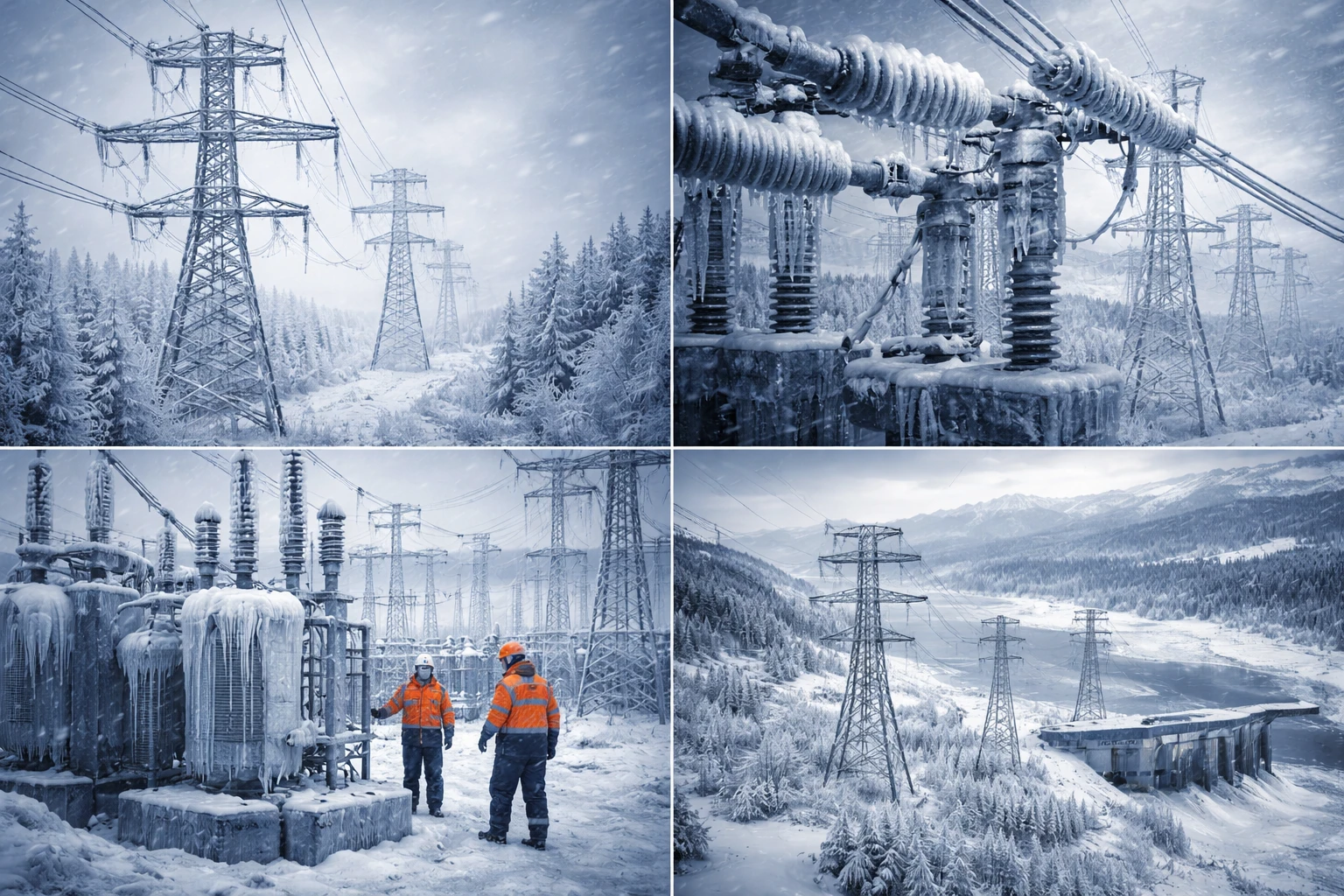
The Great White North is Getting Even Whiter
Look, we all know Canada is cold. It’s part of the brand. We’ve got the maple syrup, the hockey, and that weird national ability to shrug off a -20°C morning like it’s a light spring breeze. But what’s happening right now feels a bit different. If you’ve stepped outside lately or checked your weather app, you’ve probably seen those deep purple blobs hovering over the map. The Polar Vortex is back, and it’s not just a fancy name for “winter.” It’s a massive swirl of freezing air that usually stays up near the North Pole but occasionally decides to take a road trip south. And honestly? Nobody invited it.
This year, the blast is hitting harder and staying longer. While we’re busy layering up in heat-tech and digging out the heavy-duty Sorels, there’s a much bigger drama happening behind the scenes. Our power grids-those invisible veins that keep our heaters humming and our coffee brewing-are being pushed to their absolute limits. It’s a high-stakes game of “will the lights stay on?” and for many Canadians, especially out west in Alberta and Saskatchewan, the answer has been a bit too close for comfort lately.
Why the Grid Cares About the Cold
You might think that because we’re a northern nation, our infrastructure is invincible. Well, not quite. Everything has a breaking point. When the temperature drops to -40°C (which, fun fact, is the same in Celsius and Fahrenheit, and also the temperature where your eyelashes freeze together), electricity demand doesn’t just go up; it sky-rockets. People aren’t just turning on the lights; they’re running space heaters, plugging in block heaters for their cars, and cranking the furnace to the max.
The grid is like a giant rubber band. You can stretch it pretty far, but eventually, if you pull too hard, it’s going to snap. In Canada, our provinces handle power differently. Quebec has its massive hydro dams, Ontario has a mix of nuclear and gas, and the Prairies rely heavily on natural gas and renewables. Each system has its own “kryptonite” when the Polar Vortex hits.
Provincial Power Breakdown
Let’s look at how different parts of the country are actually holding up. It’s not a one-size-fits-all situation, and some regions are definitely sweating more than others-ironically, while freezing.
| Province/Region | Primary Power Source | Vulnerability During Deep Freeze |
|---|---|---|
| Alberta | Natural Gas & Renewables | Low wind speeds and high demand spikes. |
| Ontario | Nuclear, Hydro & Gas | Transmission line strain and aging infrastructure. |
| Quebec | Hydroelectricity | Heating is almost 100% electric, causing massive peaks. |
| The Maritimes | Coal, Oil & Renewables | Reliance on external imports during storms. |
The Alberta Situation: A Warning Shot
If you live in Alberta, you probably remember those emergency alerts on your phone. Not the ones for missing kids, but the ones asking you to stop drying your laundry or running the dishwasher. That wasn’t just the government being bossy; it was a legitimate attempt to prevent a total blackout. When the sun isn’t shining and the wind isn’t blowing-which often happens during these stagnant, freezing high-pressure systems-wind turbines and solar panels don’t contribute much to the pot.
Suddenly, the province has to rely almost entirely on natural gas plants. But even gas plants can have issues. Equipment can freeze, and if the demand is higher than what the plants can pump out, the grid operator has to make a choice: controlled rolling blackouts or a total system collapse. Nobody wants to be sitting in a dark house when it’s -45°C outside. It’s scary stuff, honestly, and it makes you realize how fragile things are.
What’s Taxing the System Right Now?
It’s not just the furnaces. Our lives have changed, and so has our energy consumption. Think about how many more things you plug in now compared to ten years ago. It adds up, and the grid feels every single watt.
- Electric Vehicles (EVs): They’re great, but they hate the cold. Batteries lose range, and they take more juice to charge when the thermometer bottoms out.
- Heat Pumps: They are the “it” thing in home Reno right now. They’re super efficient until it hits about -20°C, then many switch to “backup” electric resistance heat, which sucks up power like a vacuum.
- Remote Work: We’re home more. That means computers, monitors, and coffee machines are running all day, whereas before, office buildings handled that load more centrally.
Survival Tips for Your Electronics and Your Bill
While the engineers at BC Hydro or Hydro One are sweating over dials and screens, there are things we can do to not go broke. Because let’s be real-heating bills this winter are going to be spicy. It’s not just about saving the planet; it’s about saving your bank account.
One of the best things you can do is “load shifting.” It sounds technical, but it just means doing your chores at different times. Run the dryer at 11:00 PM. Charge your phone in the car if you’re driving anyway. It helps the grid and, if you’re on time-of-use pricing, it saves you a few bucks. Also, check your windows. A bit of plastic wrap or even a heavy curtain can stop that ice-cold draft that makes your furnace work overtime for no reason. Know what? Even small habits make a dent.
The Cost of Keeping Warm
Let’s talk money. We’ve seen inflation hit everything from butter to rent, and electricity isn’t escaping the trend. Maintenance costs for the grid are rising because we have to replace old wires and poles that can’t handle the weight of ice or the stress of extreme temperatures. It’s a tough pill to swallow when you’re already feeling the pinch.
| Cost Factor | Impact on Monthly Bill | Why it’s Happening |
|---|---|---|
| Carbon Pricing | Moderate Increase | Federal mandates to lower emissions from coal and gas. |
| Infrastructure Upgrades | High Increase | Replacing 50-year-old transformers and sagging lines. |
| Supply/Demand Spikes | Variable | Market prices jump during extreme weather events. |
How to Help the Grid (and Yourself)
You don’t have to live in the dark to be helpful. Small changes actually add up when millions of people do them at once. Here’s a quick list of no-brainer moves for the deep freeze:
- Lower the thermostat by just 2 degrees. You’ll barely feel it if you’re wearing a hoodie.
- Keep the oven door closed. Using it to heat the house is dangerous and wildly inefficient.
- Unplug that old fridge in the garage. If it’s -30°C, your drinks are fine in a cooler on the porch.
- Check your furnace filter. A dirty filter makes the motor work twice as hard to push air.
The “Smart Home” Savior?
Some people are turning to smart thermostats like Nest or Ecobee. These can actually talk to the power company. During a “grid event,” the company can slightly nudge your temperature down by a degree or two to save the system. In exchange, you often get a credit on your bill. It’s a bit “Big Brother,” sure, but it’s better than a blackout. Honestly, most of the time you won’t even notice the shift until you see the discount on your statement.
But there is a catch. If you rely entirely on smart tech, make sure you have a backup plan. If the Wi-Fi goes down or the power actually cuts out, you need to know how to manually override your systems. Being too reliant on the “cloud” when a literal ice storm is hitting your roof isn’t always the best strategy.
Looking Forward: Is This the New Normal?
Climate scientists keep telling us that while the world is warming, the “jet stream” is getting wobbly. Think of the jet stream as a fence that keeps the Arctic air up north. When that fence gets weak, it wobbles, and the cold air spills out. This means we might need to get used to these extreme swings. One week it’s raining in January, the next it’s cold enough to crack a stone. Our power companies are playing catch-up, and it’s a race against time.
Is the grid actually going to fail?
Probably not. We have a lot of safety nets in place, like importing power from the US or using “peaker plants” that only turn on during emergencies. It’s expensive, but it works.
Why does my power flicker when it’s windy?
High winds can cause power lines to “gallop” or touch tree branches. The system has “reclosers” that cut power for a split second to prevent a fire, which is why your lights blink.
Do solar panels work at all in the winter?
Yes! Actually, solar panels are more efficient in cold temperatures. The problem is shorter days and snow covering the panels. If they’re clear, they’re great.
Should I buy a backup generator?
If you live in a rural area where it takes days for crews to reach you, a generator is a solid investment. For city dwellers, a big power bank for your phone is usually enough.
Is natural gas better than electric heat in a storm?
Natural gas furnaces still need electricity to run the blower fan. So if the power goes out, the gas furnace won’t help unless you have a backup battery for that fan.
Will my EV battery freeze and die?
No, the car has a management system to prevent that. It just won’t be very efficient. Just keep it plugged in so it can use wall power to stay warm.
Why are my bills so high even when I’m careful?
A big chunk of your bill is “delivery fees” and “regulatory charges,” which don’t change much based on how much power you use. It’s the cost of keeping the wires up.
Wrapping It Up
The Polar Vortex is a beast, no doubt about it. It tests our patience, our cars, and definitely our power grid. But if there’s one thing Canadians are good at, it’s adapting. We’re seeing a massive shift in how we produce and use energy, and while there are some growing pains (and some scary emergency alerts), the system is holding up. It’s not perfect, but it’s ours.
Keep an eye on those weather reports, maybe delay the laundry until the weekend, and stay cozy. We’ve been through worse freezes than this, and we’ll get through this one too. Just maybe keep a spare bag of chips and a board game handy, just in case the lights decide to take a ten-minute nap. Stay warm out there, eh!